
Electrical safety is something most people don’t think about—until something goes wrong. Yet, many electrical hazards are preventable with the right systems in place.
Residual Current Devices (RCDs) are one of the most effective safety measures available, designed to protect people from electric shock and reduce the risk of electrical fires.
What Does an RCD Actually Do?
An RCD constantly monitors the flow of electricity through a circuit. If it detects even a small imbalance—such as electricity flowing through a person instead of returning through the circuit—it immediately cuts the power.
This happens in milliseconds, significantly reducing the risk of serious injury.
Why RCDs Are So Important
Electric shock can occur in a range of situations, including:
- Faulty appliances
- Damaged wiring
- Exposure to water
Without an RCD, these situations can quickly become dangerous.
Installing an RCD through a professional RCD installation service provides a critical layer of protection for both residential and commercial properties.
Legal Requirements in Western Australia
In WA, RCDs are mandatory in many situations, particularly:
- Residential properties being sold or rented
- New builds and major renovations
These regulations are designed to improve safety across all properties.
For property managers and landlords, maintaining compliance is essential—not only legally, but also for tenant safety.
Where RCDs Are Installed
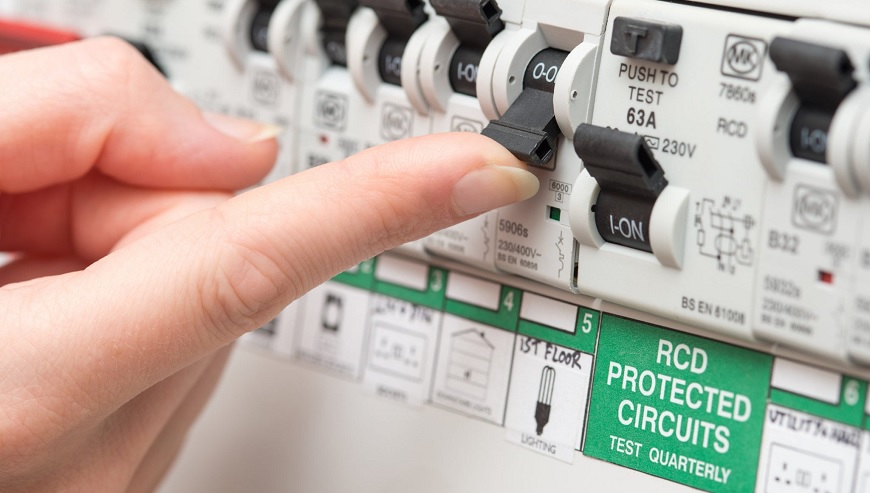
RCDs are typically installed within the switchboard and are designed to protect individual circuits.
This may include:
- Power outlets
- Lighting circuits
- Outdoor and wet area circuits
A tailored approach ensures all high-risk areas are adequately protected.
Upgrading Older Electrical Systems
Many older homes in Perth still operate with outdated switchboards that lack modern safety features.
Upgrading your system to include RCDs offers several benefits:
- Improved safety for occupants
- Compliance with current regulations
- Better performance for modern electrical demands
This is often one of the most important upgrades you can make to an older property.
Regular Testing and Maintenance
RCDs are highly reliable, but they still require regular testing to ensure they function correctly.
Simple steps include:
- Pressing the test button every three months
- Scheduling professional inspections
- Replacing faulty units promptly
Regular testing provides peace of mind that your system will respond when needed.
Integrating RCDs with Other Safety Systems
While RCDs are essential, they work best as part of a broader safety strategy.
This may include:
- Smoke alarms for early fire detection
- Surge protection devices
- Proper earthing and circuit protection
Together, these systems create a comprehensive approach to electrical safety.
A Small Investment with Significant Impact
When you consider the potential consequences of electrical faults, RCD installation is a relatively small investment that delivers significant protection.
It’s not just about compliance—it’s about ensuring the safety of everyone who uses the space.
FAQs
Do RCDs need to be installed on every circuit?
Modern standards typically require multiple RCDs to cover different circuits, but the exact setup depends on your property.
How quickly does an RCD respond?
RCDs are designed to cut power within milliseconds of detecting a fault.
Can an RCD fail?
While rare, RCDs can fail, which is why regular testing is important.
Is RCD installation disruptive?
Most installations can be completed quickly, especially when upgrading an existing switchboard.